LUXURY PRIVATE EXPERIENCES

Egypt Day Tours & Private Excursions

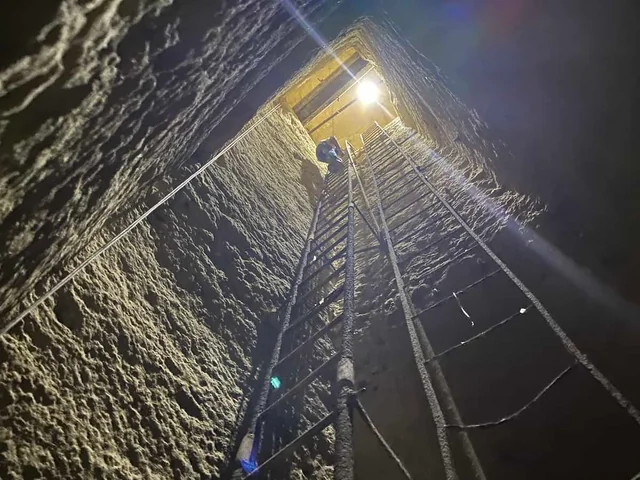
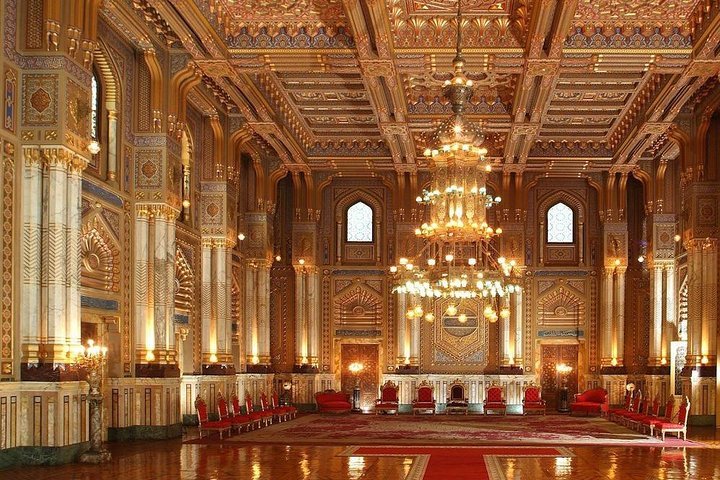
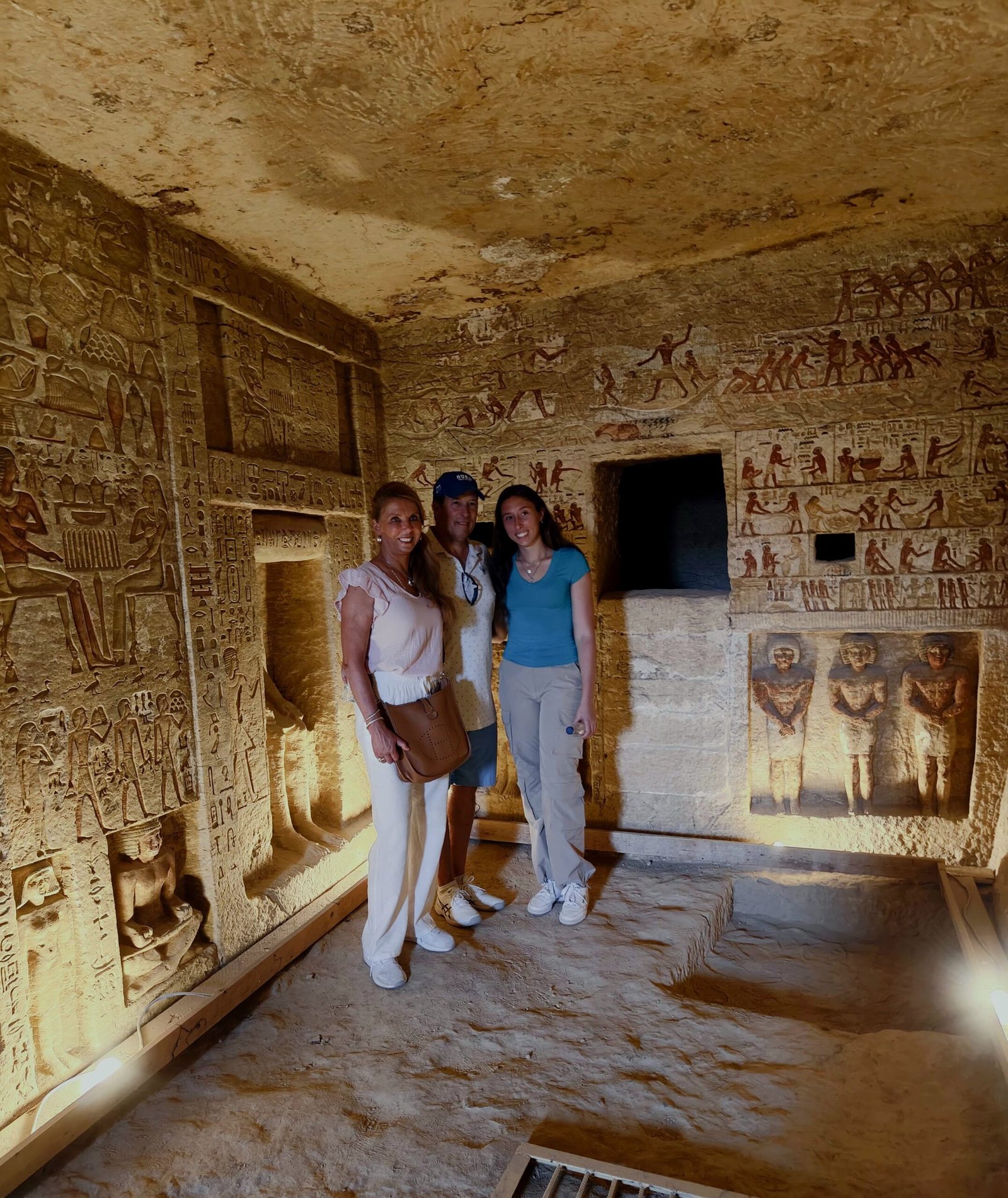
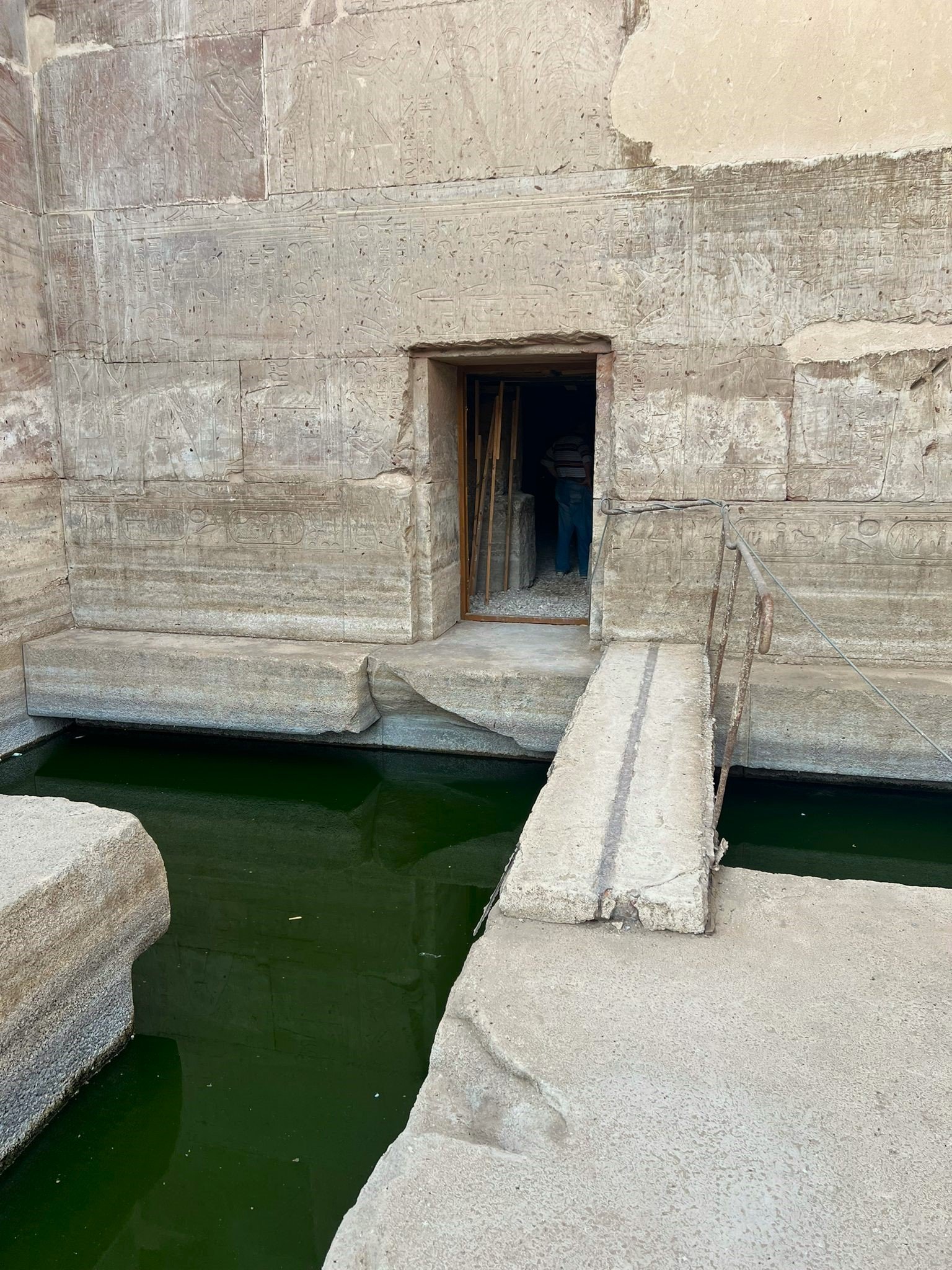
A day tour is the whole site in one day, privately, with a licensed Egyptologist and your own driver. Some of these are places anyone can buy a ticket for, where the value is the guide and the hour you arrive. Others cannot be entered without written permission — the Osiris Shaft, Wahtye's Tomb, Abdeen Palace — and are arranged one party at a time. Both kinds are listed below.

Private Day Tours from Cairo, Luxor and Aswan

Day Tours by City

Cairo and Giza

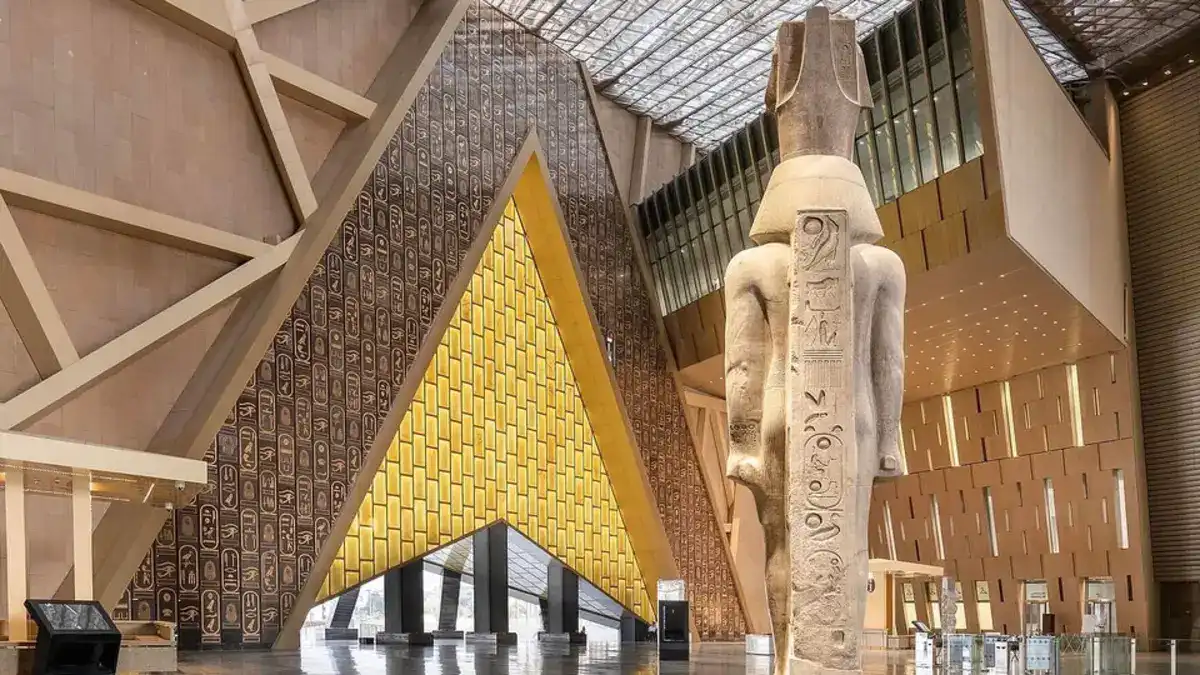
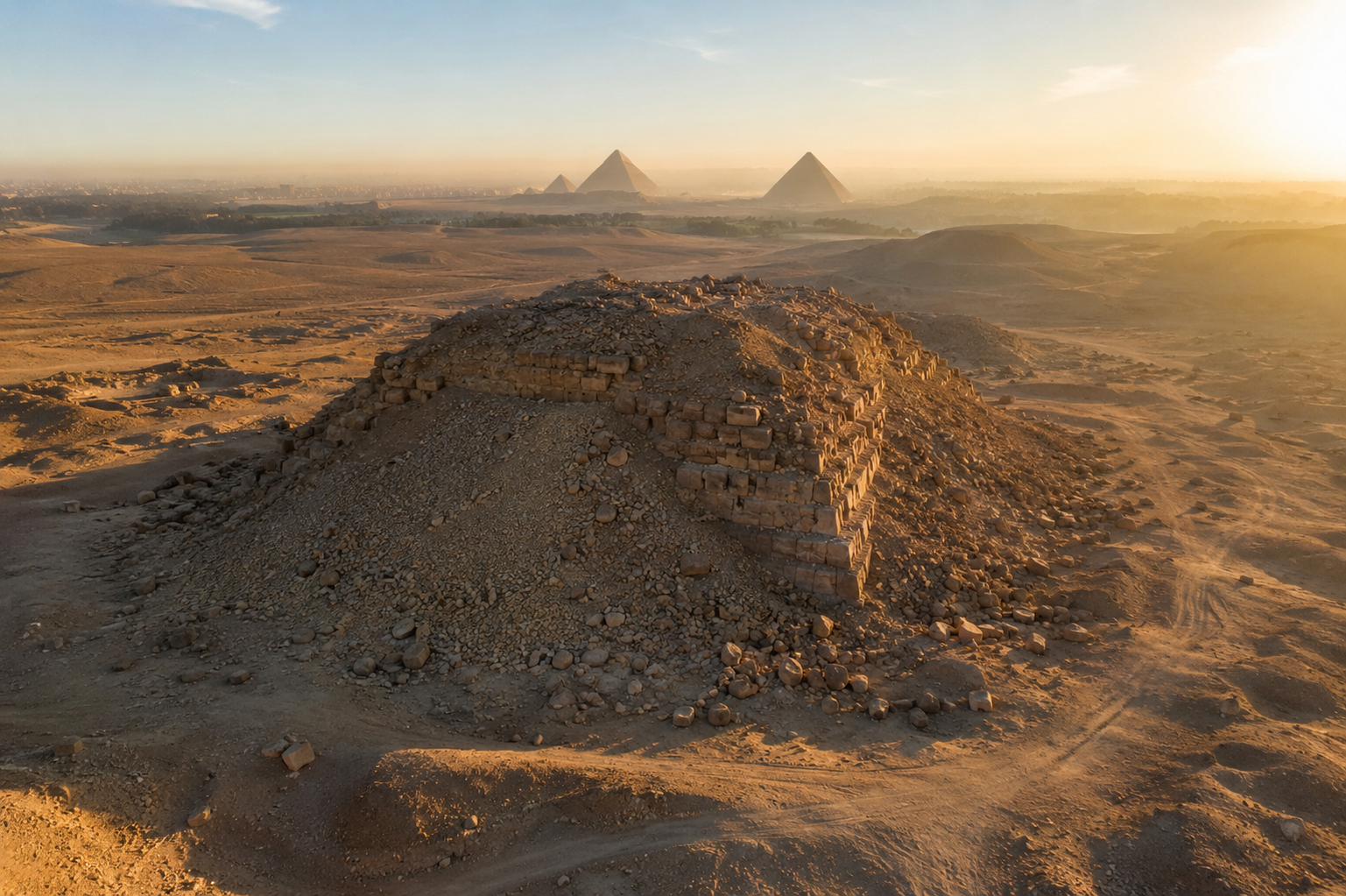
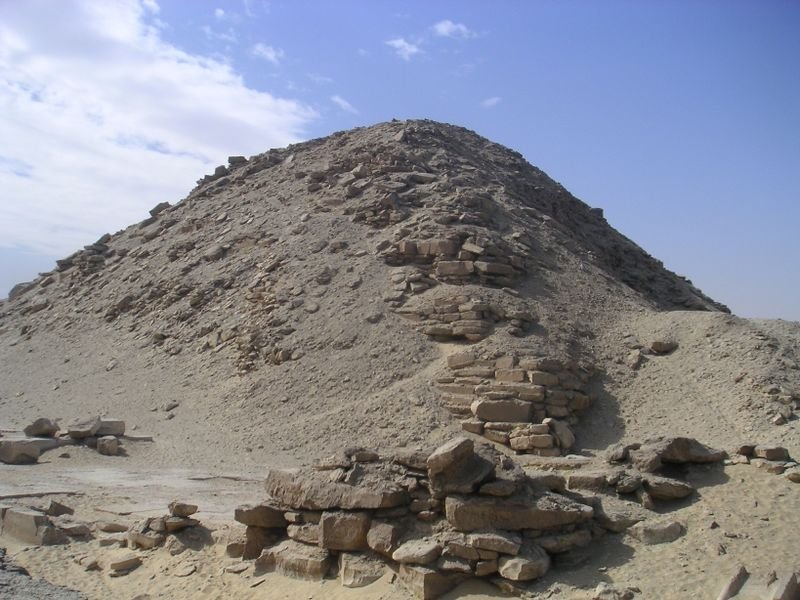
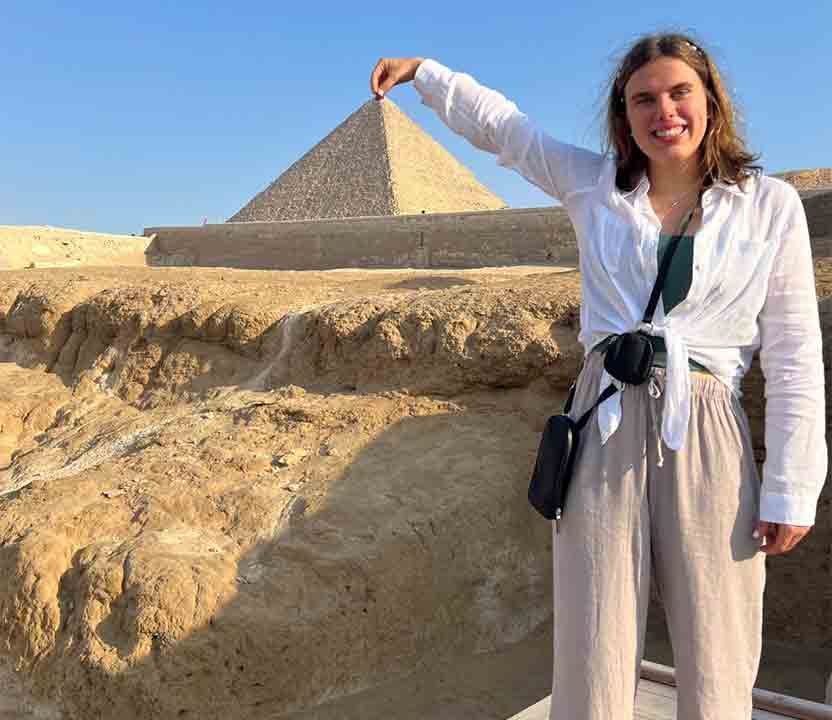
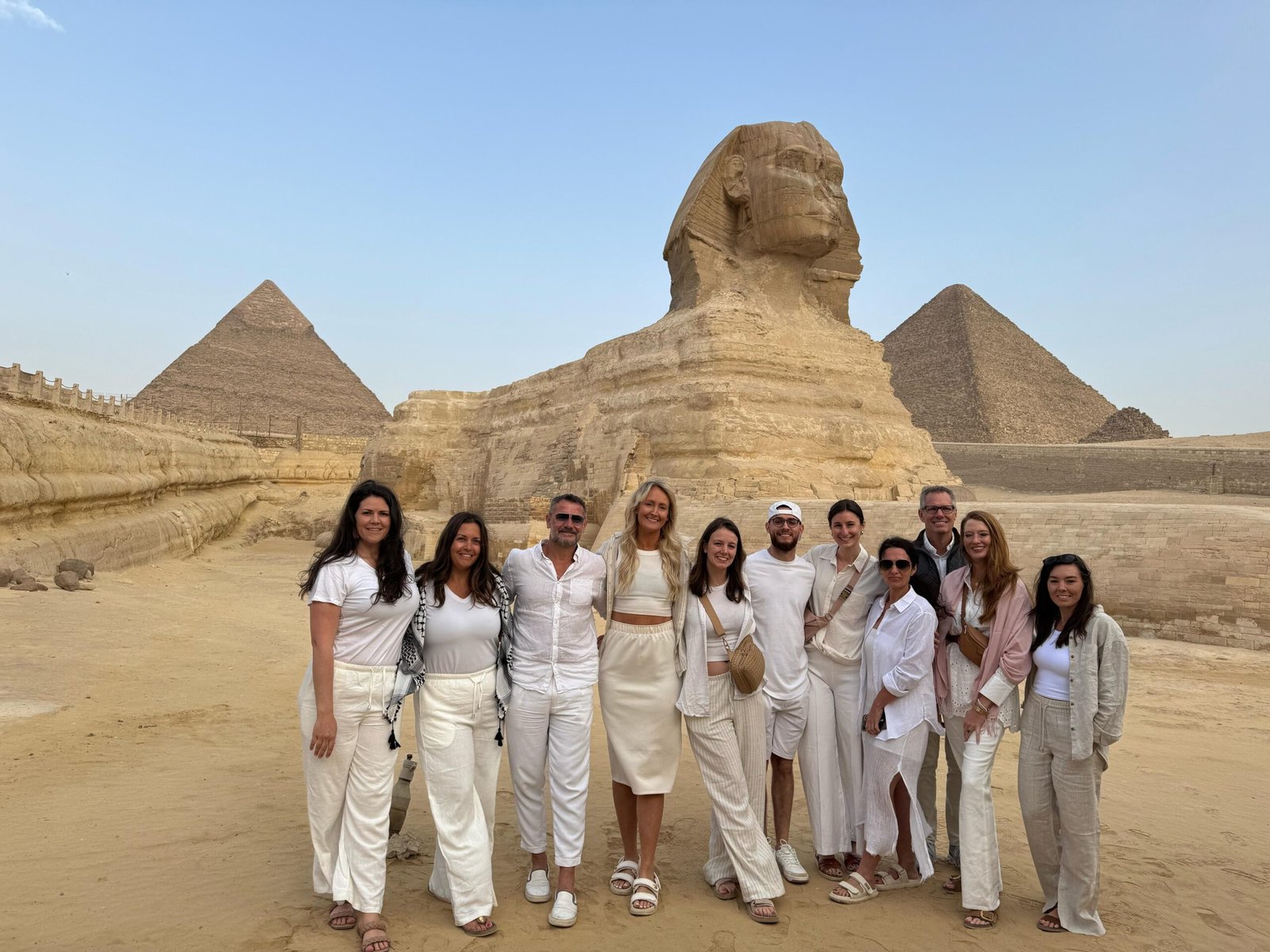
The Giza plateau, the Sphinx and the Grand Egyptian Museum are the obvious day. Less obvious, and quieter: Saqqara and its step pyramid, Abu Sir with the 5th Dynasty sun temples, Abu Rawash with the ruined pyramid of Djedefre, and Memphis. Islamic Cairo and Coptic Cairo make a strong non-pyramid day, and Abdeen Palace is a half-day on its own.

Luxor

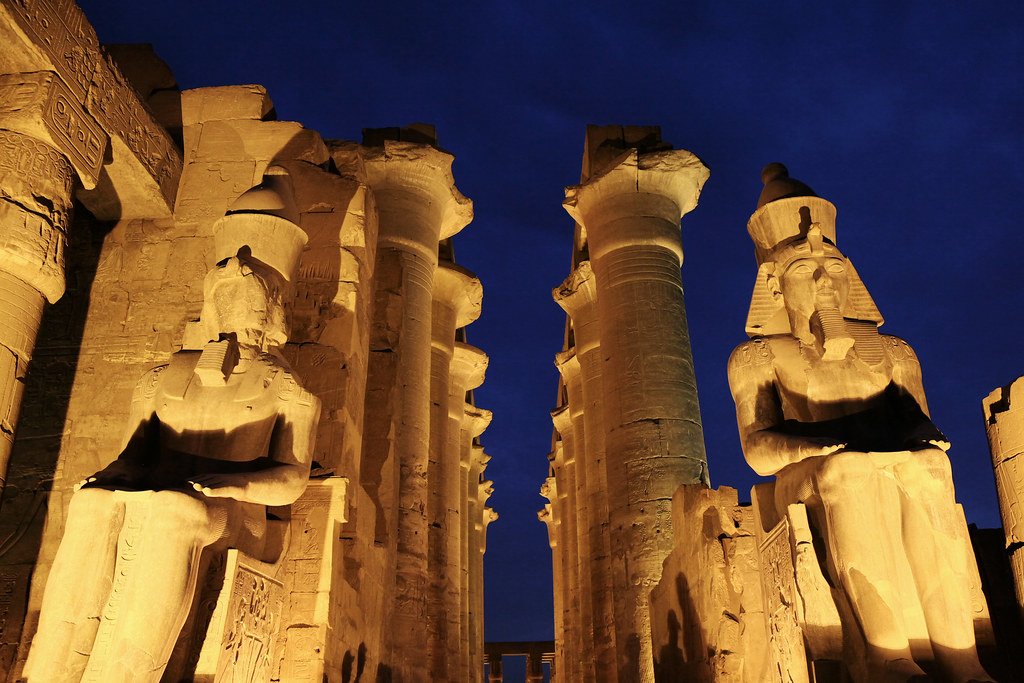
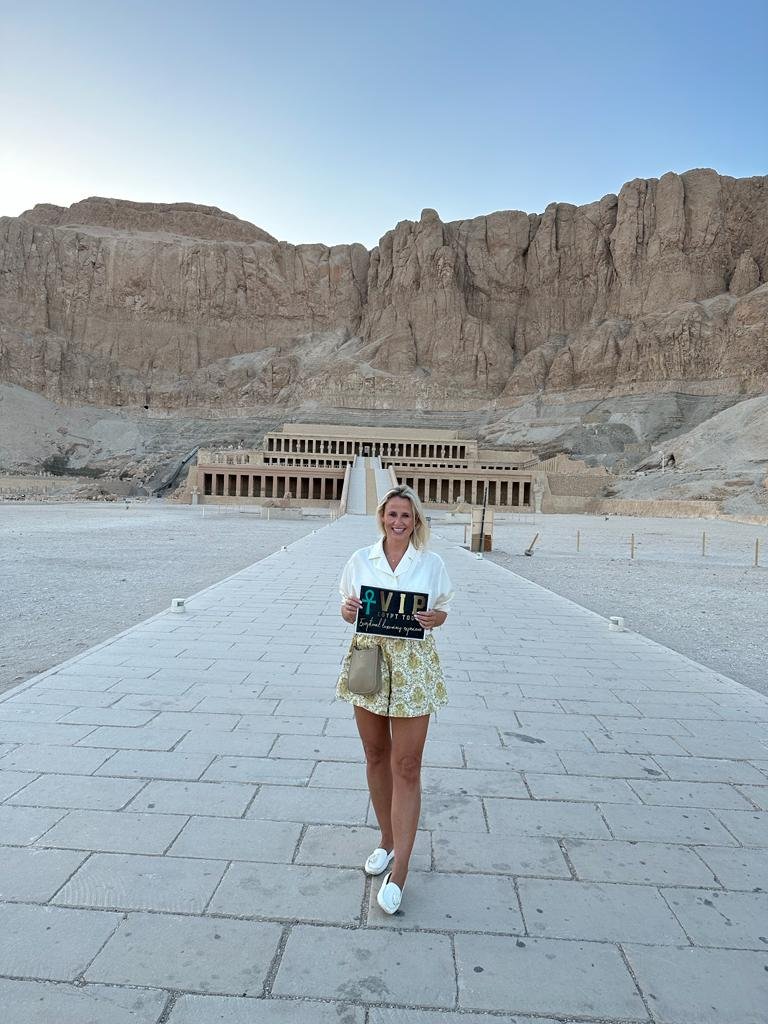
Luxor is 650 km from Cairo but only an hour by air, which makes it a genuine day trip rather than a two-day commitment. The east bank holds Karnak and Luxor Temple; the west bank holds the Valley of the Kings, Hatshepsut's mortuary temple at Deir el-Bahari and the Colossi of Memnon. One day covers a bank properly. Two covers both without rushing.

Aswan

Philae Temple on its island, the High Dam, the unfinished obelisk and a felucca on the Nile fit into a single Aswan day. Abu Simbel is a separate excursion — a three-hour drive each way, or a short flight — and works best as its own day rather than an add-on.

Alexandria

Roughly 220 km from Cairo, about three hours each way by private car. It is a long day, but the Bibliotheca Alexandrina, the Catacombs of Kom El Shoqafa, Pompey's Pillar and the Citadel of Qaitbay fit comfortably into a single visit.

What "Special Access" Actually Means

Several sites in Egypt are closed to general ticket holders and open only under permission from the Ministry of Tourism and Antiquities. That is what we arrange. It is not a queue-jump: the Osiris Shaft, Wahtye's Tomb and Abdeen Palace cannot be visited by buying a ticket at the gate at any price. Permission is granted per party and per date, which is why these tours need more notice than a standard day out, and why they cannot run as group departures.

Frequently Asked Questions

How many days in Cairo is enough?

Two full days covers the Giza pyramids and Sphinx, the Grand Egyptian Museum, Islamic Cairo and Coptic Cairo at a comfortable pace. Three days adds Saqqara, Dahshur and Memphis. One day means Giza and the museum only.

Yes, but it is a long day — roughly 220 km each way, about three hours by private car. The Bibliotheca Alexandrina, the Catacombs of Kom El Shoqafa, Pompey’s Pillar and the Citadel of Qaitbay fit comfortably into a single visit.

Luxor holds the Valley of the Kings, Karnak, Luxor Temple and Hatshepsut’s mortuary temple within a few kilometres of each other. It sits about 650 km south of Cairo, reachable by a one-hour flight, so a single full day is possible but tight.

East bank: Karnak and Luxor Temple. West bank: the Valley of the Kings, Hatshepsut’s mortuary temple at Deir el-Bahari and the Colossi of Memnon. Two days lets you take each bank at a sensible pace rather than rushing both.

No — the Sphinx has no public interior. Small shafts and cavities exist in and around the statue, but none are open to visitors and none lead to a chamber. What can be arranged is access to the enclosure floor itself, which is separate from the standard Giza plateau ticket.

Three cavities are documented: a short dead-end passage behind the head, a niche on the north flank and an unfinished shaft near the rear. None leads to a hidden complex. Claims of large chambers beneath the Sphinx come from unverified surveys rather than from excavation.

Yes, repeatedly. Sand covered it to the shoulders for most of recorded history. Thutmose IV cleared it around 1400 BC and recorded the work on the granite Dream Stele that still stands between its paws. The final full excavation was not completed until the 1930s.

Yes — noticeably hotter than outside. The interior passages are narrow, unventilated and shared with everyone climbing in both directions, and the ascent to the burial chamber is steep and low in places. Early morning is the most comfortable slot, and the smaller pyramids are an easier alternative.