The sekhmet karnak story is the Destruction of Mankind: Ra sends his Eye to punish humanity, it becomes Sekhmet, and she cannot be stopped.
- The problem: a god created something more powerful than his ability to recall it
- The solution: thousands of jars of beer dyed red to look like blood
- The result: she drinks, sleeps, and wakes calm
- Why it matters at Karnak: it is why she was appeased daily, and why there are so many statues of her
Where the story comes from
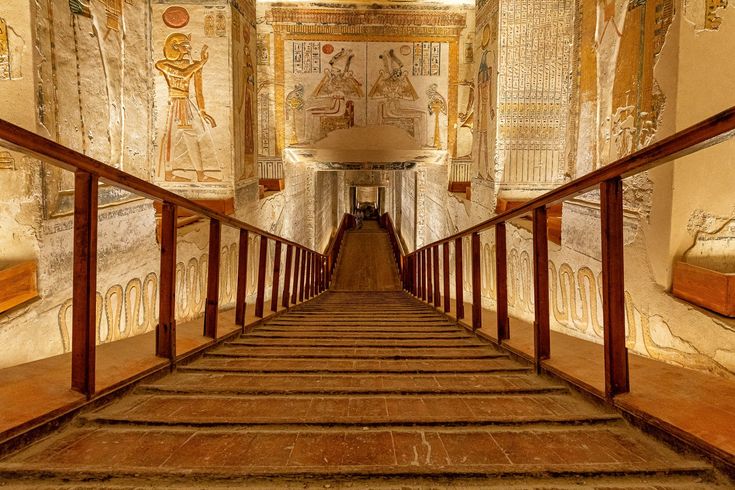
The sekhmet karnak story is not something guides invented for visitors. It is written down, and it survives on the walls of royal tombs in the Valley of the Kings, in a text Egyptologists call the Book of the Heavenly Cow.
That matters, because a great deal of what circulates about Egyptian religion online has no ancient source at all. This one does, and copies of it were important enough to put inside the tombs of kings.
The Destruction of Mankind
Ra had grown old, and humanity had begun to plot against him. In the Egyptian telling this is a straightforward problem of authority: the king of the gods is no longer feared, and something has to be done.
Ra takes counsel and then sends out his Eye. The Eye of Ra is not a symbol in this story but an agent, a piece of the sun god’s power sent to act on his behalf. It takes the form of a lioness, and it becomes Sekhmet.
She does what she was sent to do, and she does it extremely well. The texts do not soften it. Humanity is slaughtered across the land, and the rebellion ends.
Then comes the part of the Sekhmet Karnak story.
The trick with the beer
The gods solve it by deception rather than force, which tells you something in itself.
Vast quantities of beer are brewed overnight, traditionally given as seven thousand jars, and dyed red with ochre so that it looks like blood. It is poured out across the fields where she will pass, until the ground is flooded.
Sekhmet arrives, sees what she takes to be blood, and drinks. She drinks until she is too drunk to continue, and sleeps. When she wakes, the rage has gone, and in many versions she is transformed into Hathor, the gentle goddess of love and music.
Humanity survives because the most dangerous being in creation was tricked into a hangover.
What the story actually means
It is easy to read as a folk tale. It is doing more work than that.
The Egyptians were describing a real property of power: that the force which protects you is the same force that can destroy you, and that it does not come with an off switch. The sun that makes the crops grow is the sun that kills you in July. The Nile that feeds Egypt is the Nile that drowns villages. Sekhmet is that idea given a face.
The story also says something unusual about the gods. Ra is not omnipotent here. He makes a mistake, loses control of his own creation, and has to resort to a trick. That is a theologically honest position and it is not one every religion takes.
The Festival of Drunkenness
The Egyptians did not just tell this story. They re-enacted it.
The Festival of Drunkenness was celebrated at the precinct of Mut at Karnak, and it involved exactly what the name suggests: large scale ritual drinking, music, and sleep, followed by waking to the sound of drums in the presence of the goddess. Archaeological work in the Mut precinct has found evidence of the spaces where this took place.
It was not disorder for its own sake. It was a deliberate reconstruction of the moment the goddess was pacified, performed annually, to keep her that way.
Why this matters at Karnak
Once you know the story, two things at Karnak stop being puzzling.
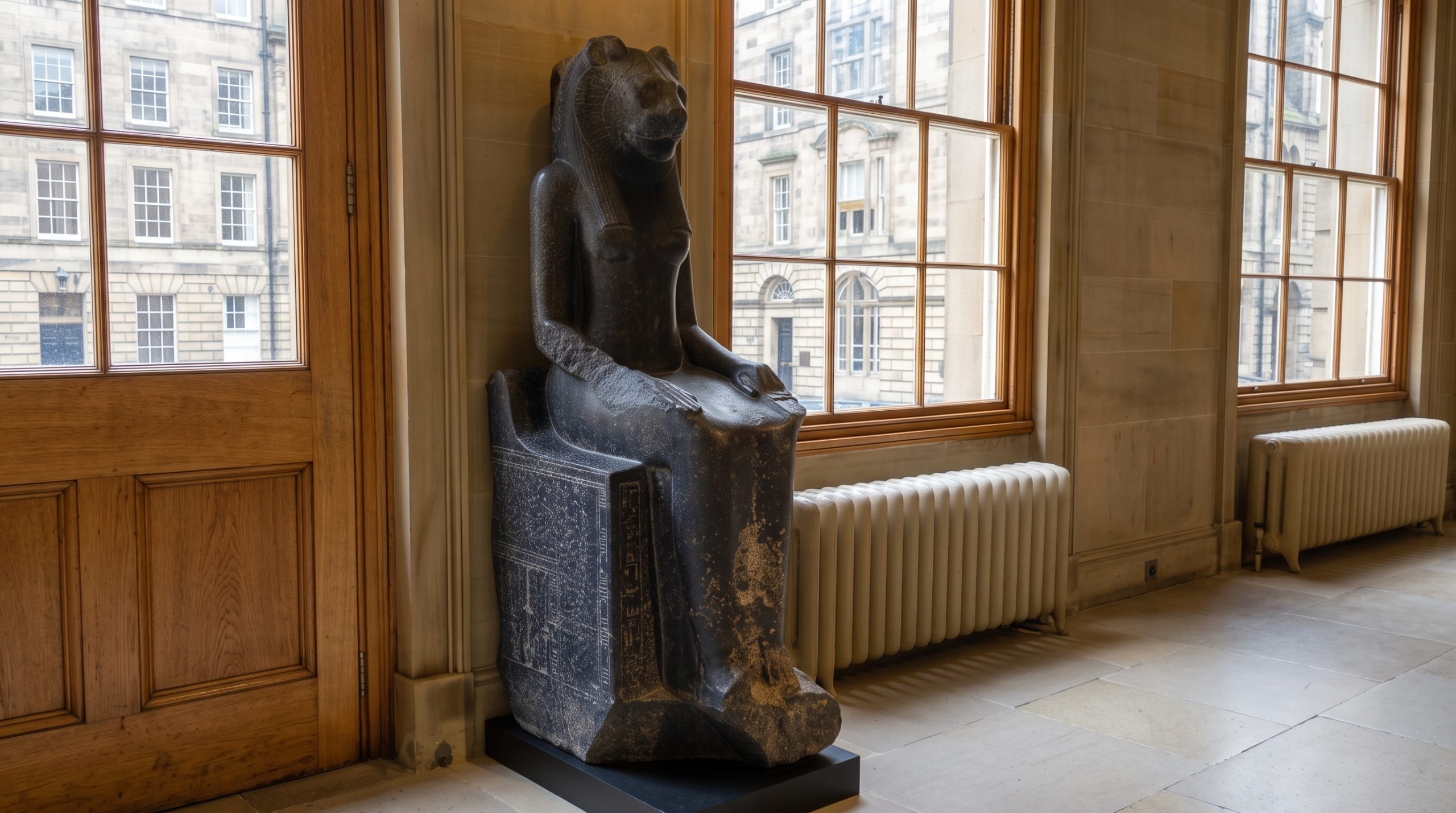
The first is the number of statues. Amenhotep III commissioned hundreds of Sekhmet figures, split between his mortuary temple and the Mut precinct here. Estimates run into the hundreds and figures above seven hundred are frequently quoted. The usual explanation is a ritual calendar in stone, allowing the rites of appeasement to be performed without a gap. That is a reasonable thing to build if you believe the story above. More on them in our article on the Sekhmet statue Karnak.
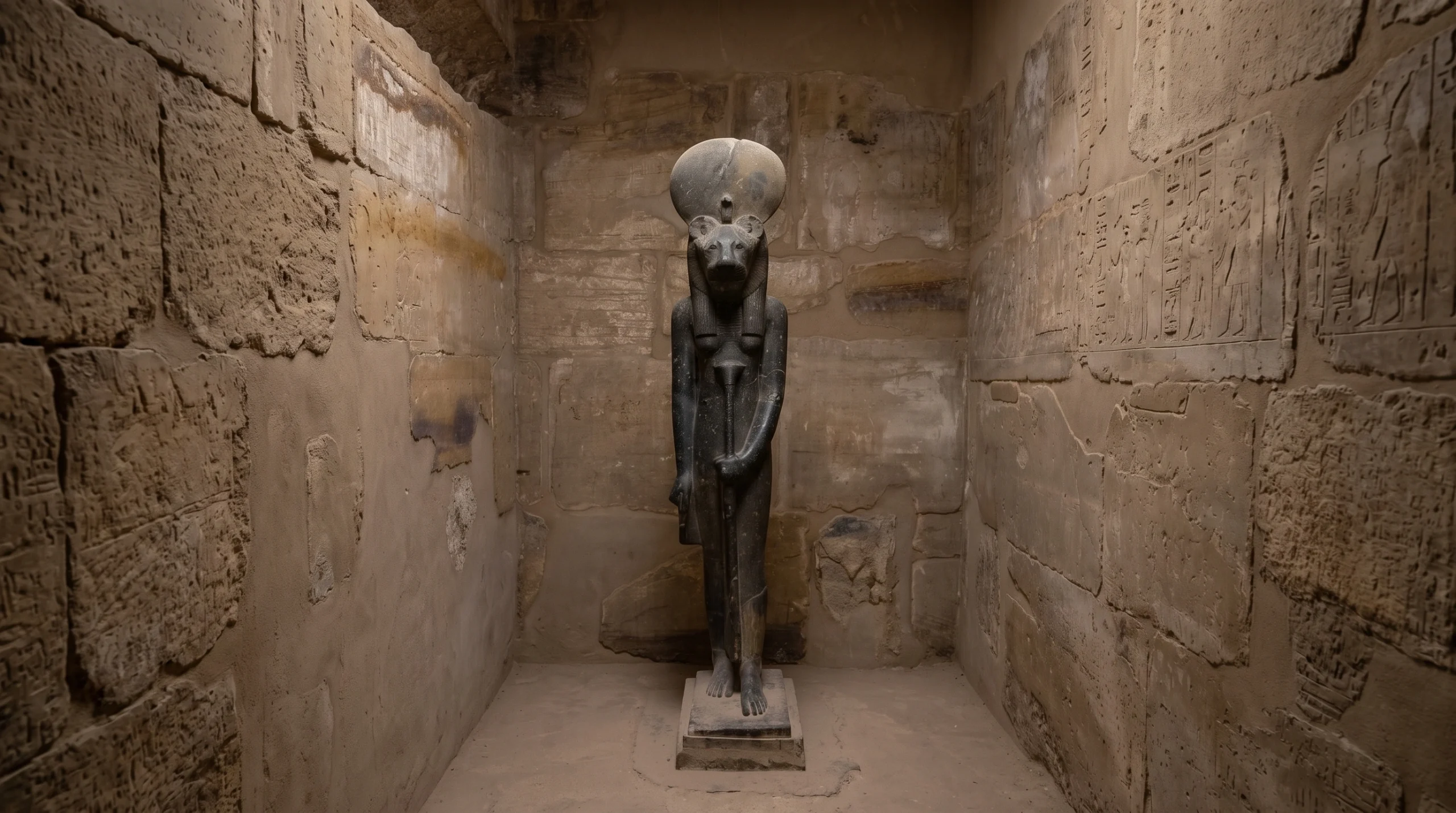
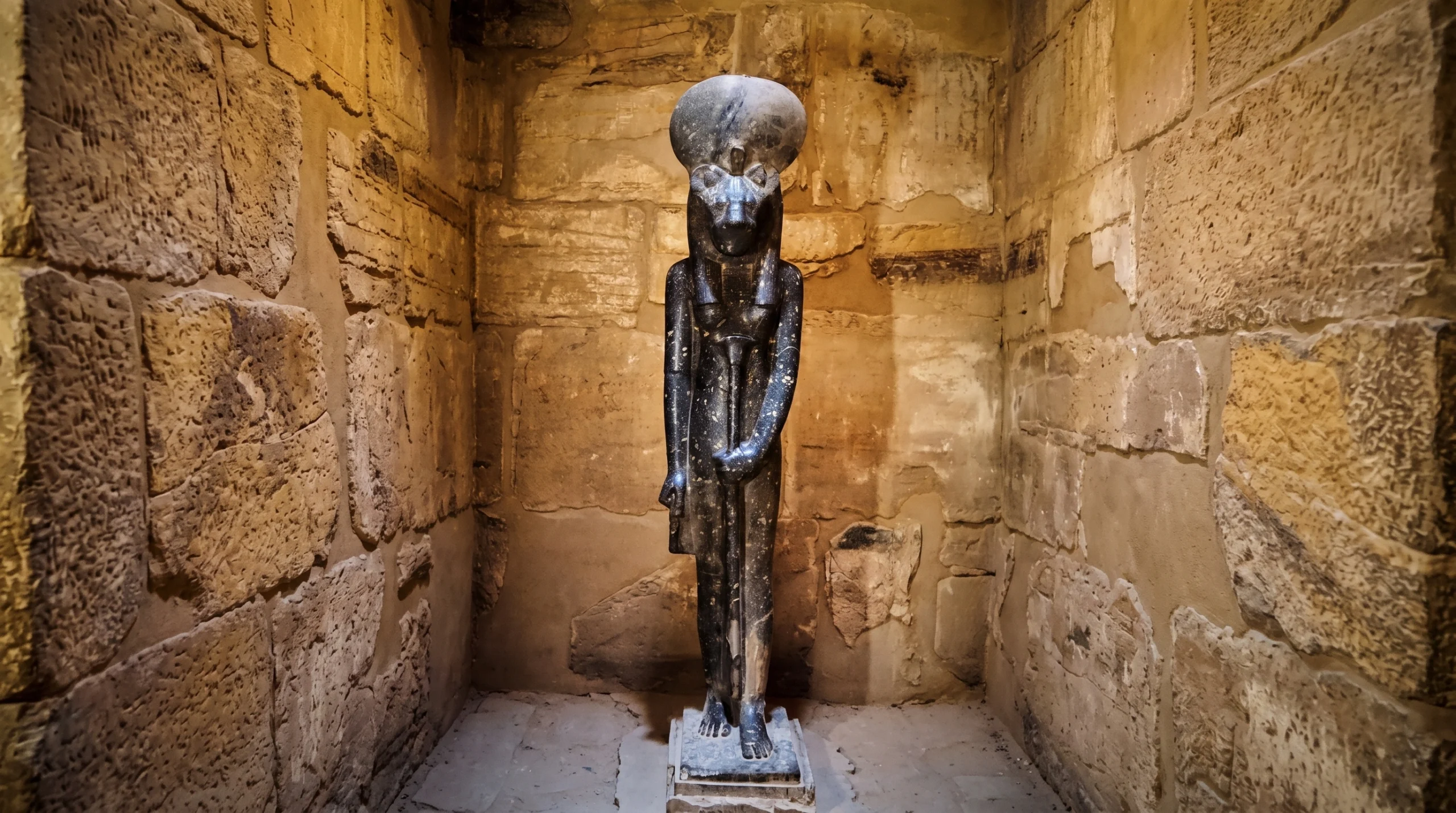
The second is her chapel. It is small, windowless and dark, lit only by a slot in the roof. That is not how you display a deity you are proud of. It is how you house one you are keeping calm. Our guide to the Sekhmet chapel at Karnak Temple covers the building.
Karnak forms part of the UNESCO World Heritage site of Ancient Thebes with its Necropolis, and the Digital Karnak project at UC Santa Cruz maps the Mut precinct where the festival took place.
The goddess of plague and of cures
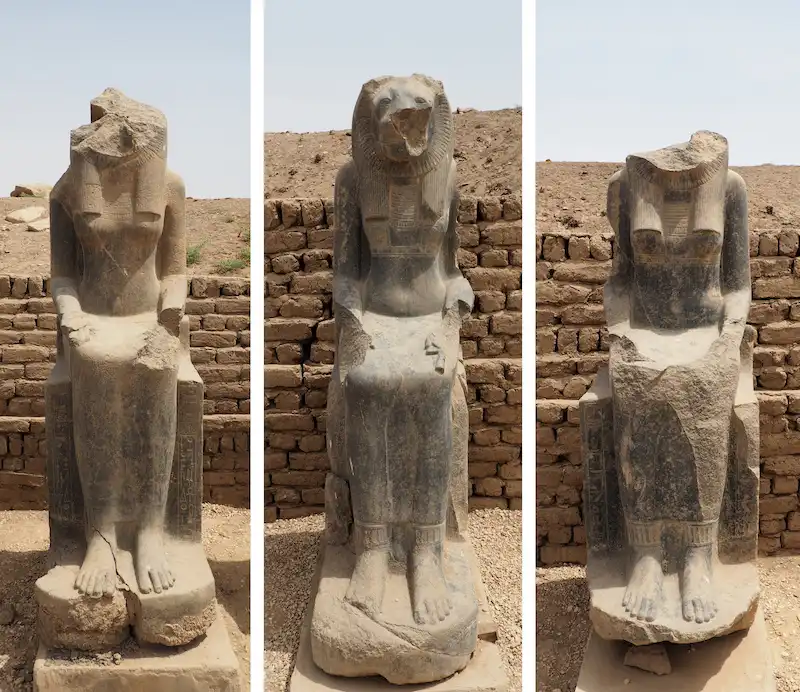
The last piece of the Sekhmet Karnak story is the one modern visitors find strangest. The goddess who brought disease was also the goddess of healing, and her priesthood was connected with Egyptian medical practice. Surviving medical texts invoke her by name.
In Egyptian logic this follows directly. If Sekhmet sends the plague, then Sekhmet is the one who can lift it, and there is no point praying to anybody else. Her priests were not hedging. They were going to the source.
That is why the ankh in her hand is not a contradiction. She holds the sign for life because she is the one deciding.
The last piece of the Sekhmet Karnak story is the one modern visitors find strangest. The goddess who brought disease was also the goddess of healing, and her priesthood was connected with Egyptian medical practice. Surviving medical texts invoke her by name.
In Egyptian logic this follows directly. If Sekhmet sends the plague, then Sekhmet is the one who can lift it, and there is no point praying to anybody else. Her priests were not hedging. They were going to the source. It is the same turn the Sekhmet Karnak story ends on: the goddess who could not be stopped wakes as Hathor, and the force that nearly emptied the world becomes the one you ask for help.
That is why the ankh in her hand is not a contradiction. She holds the sign for life because she is the one deciding.
Meeting her in person
The Sekhmet Karnak story explains the room. A windowless chapel with one statue and a slot of light makes sense only when you know what the Egyptians thought they were housing. Without it you are looking at a statue in the dark. With it, you are standing in a room built to keep something calm.
That is the difference a guide makes, and it is the whole argument for reading the sekhmet karnak story before you go rather than after. The hundreds of statues, the annual festival of ritual drinking, the darkness of the chapel: none of it is decoration. All of it is a three thousand year old safety procedure.
She is still there, and she is ten minutes from the Hypostyle Hall.
Plan your visit with us
VIP Egypt Tours is operated by Travel Lovers Egypt, licensed by the Egyptian Travel Agents Association, E.T.A.A. No. 2390. We arrange private access to the Sekhmet chapel at Karnak with a licensed Egyptologist, and time inside rather than a glance through a doorway.
Read our guide to Sekhmet at Karnak for the background, the Sekhmet Karnak Temple for how to find it, and the Sekhmet statue Karnak for the object itself.
Plan your VIP vacation, or tell us when you are in Luxor and we will build the day around her.
Follow VIP Egypt Tours
We post the parts of Egypt that do not fit in a guide like this: special access visits, what the sites look like on the day, and the history behind them.
Instagram · Facebook · YouTube
FAQ
What is the story of Sekhmet?
Ra sent his Eye to punish rebellious humanity. It took the form of the lioness goddess Sekhmet, who could not be stopped once she began. The gods flooded the fields with beer dyed red to look like blood, she drank it, fell asleep, and woke calm.
Where is the sekhmet karnak story written down?
In the text Egyptologists call the Book of the Heavenly Cow, which survives on the walls of royal tombs in the Valley of the Kings.
Why was the beer dyed red?
So that Sekhmet would mistake it for blood and drink it. The deception is the point: the gods could not overpower her, so they tricked her.
Did Sekhmet become Hathor?
In many versions of the story, yes. After she sleeps and wakes, her rage is gone and she is transformed into Hathor, goddess of love and music.
What was the Festival of Drunkenness?
An annual festival at the precinct of Mut at Karnak that re-enacted the pacification of the goddess through ritual drinking, music and sleep, followed by waking in her presence.
Why is Sekhmet both destructive and healing?
Because in Egyptian thinking the power that sends an illness is the power that can remove it. Her priests were associated with medicine, and medical texts invoke her directly.
Is the Sekhmet story connected to Karnak specifically?
Yes. The Festival of Drunkenness was celebrated in the Mut precinct at Karnak, and the hundreds of Sekhmet statues commissioned by Amenhotep III were divided between Karnak and his mortuary temple.